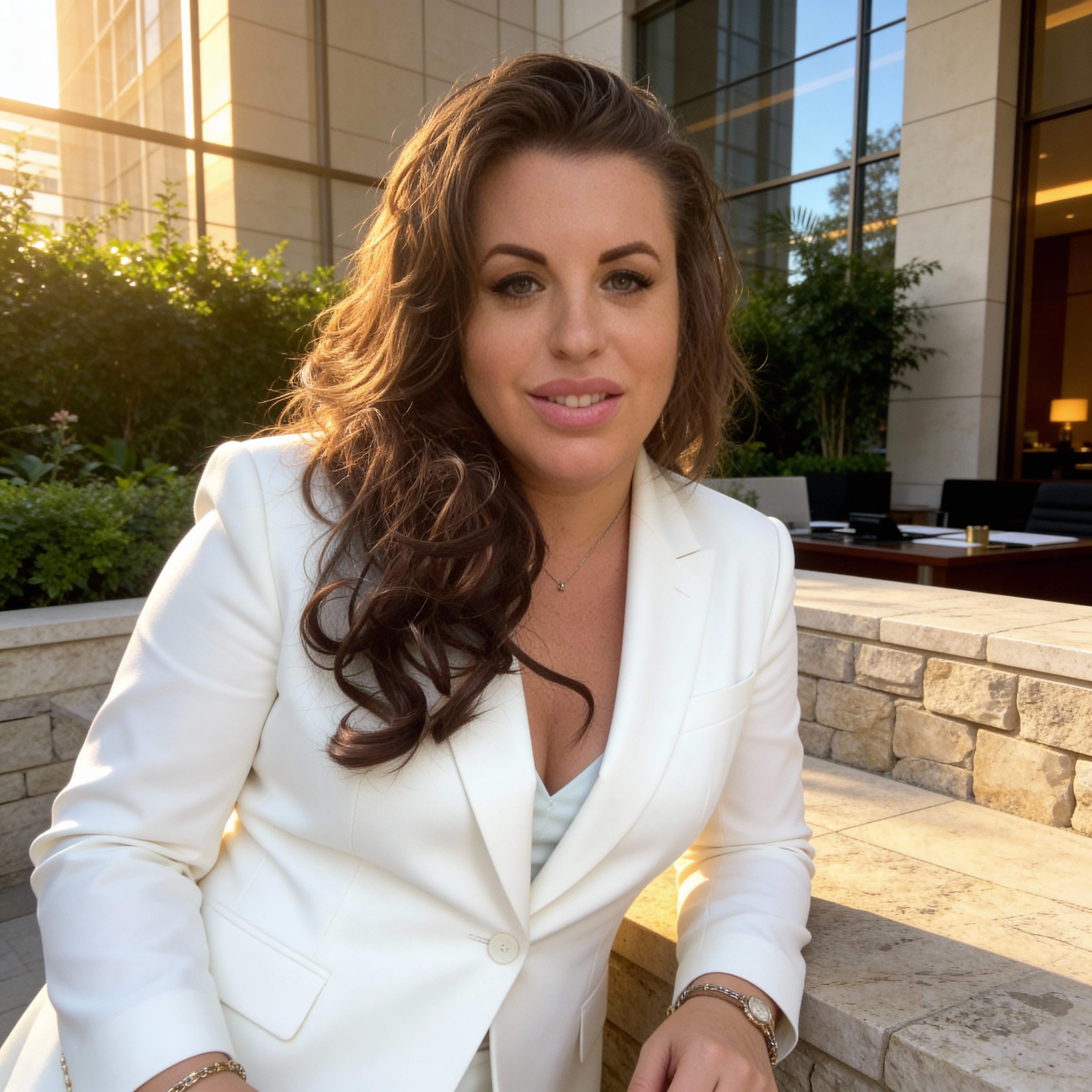
I build order from nothing, in the market's own language.
Hi, and thanks for clicking. If you're here, you've read my CV, so I'll skip the summary. This is the part that didn't fit on it: how I make the calls behind those numbers, including the ones I got wrong. And if something here sounds like the problem your team is stuck on, write to me. I reply in English, Spanish, Catalan or, if you're patient, French.

“
The right word may be effective, but no word was ever as effective as a rightly timed pause.
Mark Twain, Celebrated Author and Humorist
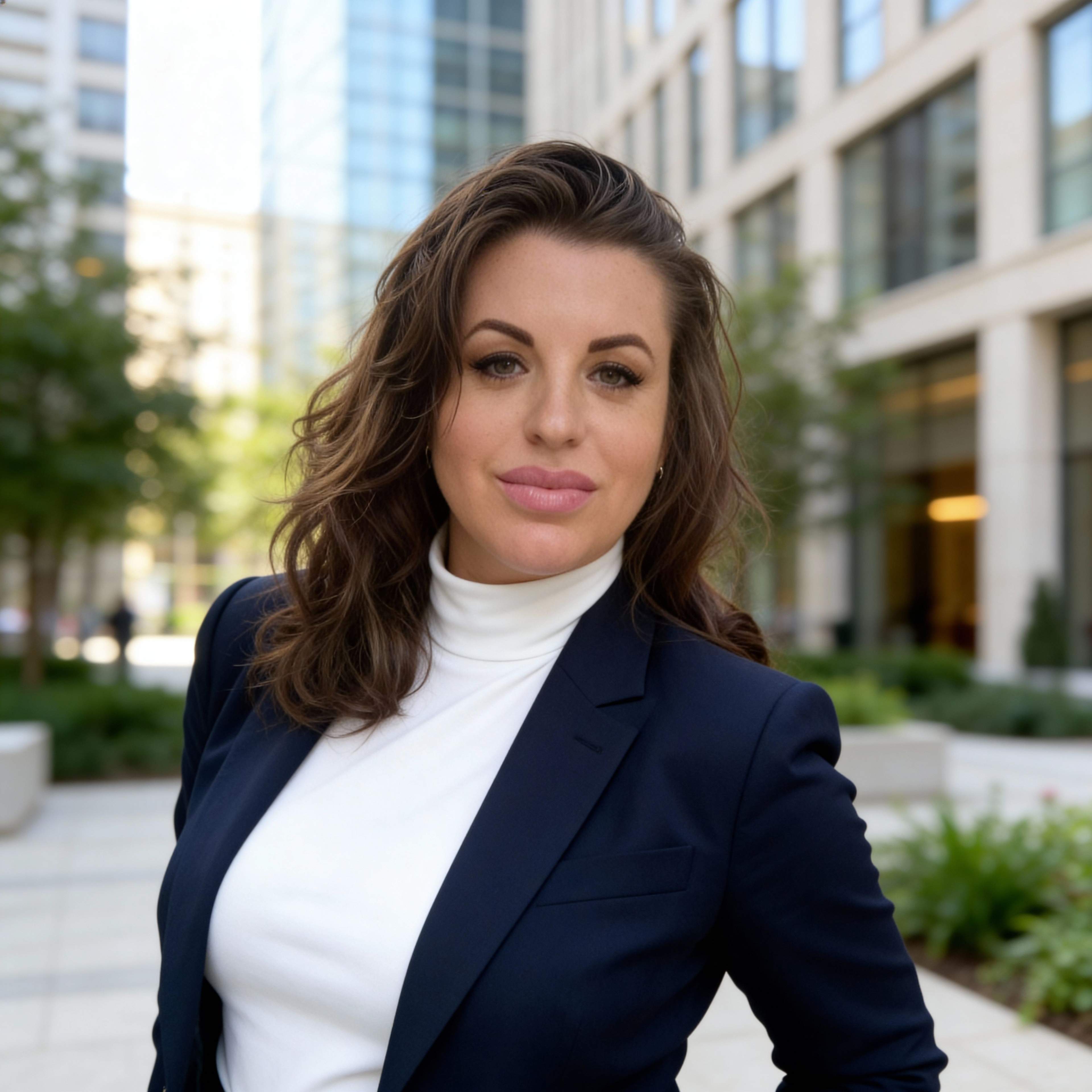
I do my best work when I can see what it does for the company.
I believe in a chain more than a pyramid, which is closer to how Scandinavian teams work. Each person does a good job, so the next one has the information and the structure to do a great one. I hold myself to that, and I look for the same in the people I work with, management included, because a chain only works if every link carries its part.
Two things switch me off: no transparency, and leadership that forgets there are people doing the work. I work best when management is clear about revenue and still sees the effort behind it, on the good days and the bad ones. Without that, I work in fear. And fear is rarely a productive state of mind.
I also work best when management builds a real connection with the people on the team and trusts what they can do. I believe in feedback that helps us build. When we take on a job, the long-term track record comes from getting the basics right, and the most important basic is the people.

What happens when something goes wrong?
When a campaign starts going wrong, I go to the data first, to find where the problem is and why. Then I test my hypotheses. And if the problem could sit in work we delivered, I ask the people who were involved.
Then I ask for a short meeting with my manager. I bring the numbers, the context, my hypothesis, the decision and what it has done so far. I say plainly what’s happening and whether it puts the final goal at risk. And I bring my recommendations, plus the questions where my manager’s experience can help, because I’m open to a better idea than mine.
At ESCP Europe Business School, a Facebook campaign for the MSc in Energy Management was getting clicks, but applications weren't growing. I tested the creative and the wording. That didn't explain it. Then the admissions team told me about the harassing messages they were receiving. I went back to my data, and it pointed to the same country: high spend, no leads. Two sources, one answer. So I removed that country and moved its remaining budget to the summer course. Leads fell by roughly 5 to 10%, and each one cost less.

How do I work across cultures?
Before I work with a team or a market from another country, I try to understand the way people there say things.
With colleagues in Latin America and Japan, respect for seniority often shows openly in the language, so I write with that in mind. With Spanish teams I can be direct, and too much politeness can sound fake. With British colleagues, a well-structured, courteous message lands better than a bold one.
I change the wording to fit the room. The request stays the same.
What does my week look like?
My week is structured, with room to move, because, well, life. I plan it in my calendar, with every task a big project needs to land that week.
Take a LinkedIn post. Before it goes out, my task list already holds each step: last week's performance for our creatives, the competitor report, the creatives themselves and a test of the titles. Then it's published, and the follow-ups are already booked, from 7 days out to 3 months.
When a task needs someone else, I brief each colleague individually, by email or in whatever the team uses (Slack, our project management tool). If a colleague isn't fully on board yet, I set up an online meeting before the brief: I build rapport first, then walk them through the goal and the part they'd own in reaching it. My briefs are clear: they give the context and a deadline, with a buffer of 2 to 5 days built in, depending on the task. Then I invite questions, and if the deadline needs to move, we move it.
AI agents help me keep all of it organised. I audit their rules and guidelines as a project goes, roughly once a month.
What would the people I've worked with say?
If you asked the people I've worked with, I think they'd say I have a clear way of working, and I'm transparent about it. My updates are short and they point at the goal.
They'd probably also mention that I'm a decent human being with a good sense of humour (I'm partial to a bit of British wit), which helps more on a bad day than on a good one.
What am I proud of?
I'm proud of a lot of work, but two pieces stand out.
At ESCP Europe Business School I created the Open Days and ran them end to end. Attendance came close to double the years before.
And at ByteHide I started with an empty page: there was no marketing team, structure, channels or growth strategy. I wrote the growth strategy and built the structure and channels to run it. That's what I mean by building order from nothing.
What am I looking for next?
What I'm looking for next is a role that matches what I know, where I can thrive and add to the bottom line, for the team and for the company.
And I'd like to feel we're all on the same project: people who care about what they do, with good values behind good ideas.
Over a coffee you'd find out that I love hiking and anything outdoors. And that I paint watercolours and have a soft spot for ceramics. Watercolour is the one place I don't A/B test.
The practical bit: I work remotely from Barcelona, on Central European Time. Time zones don't scare me: at Sizmek I worked with teams from Asia Pacific to the USA. And if your team has an office in Barcelona, hybrid works for me too.